
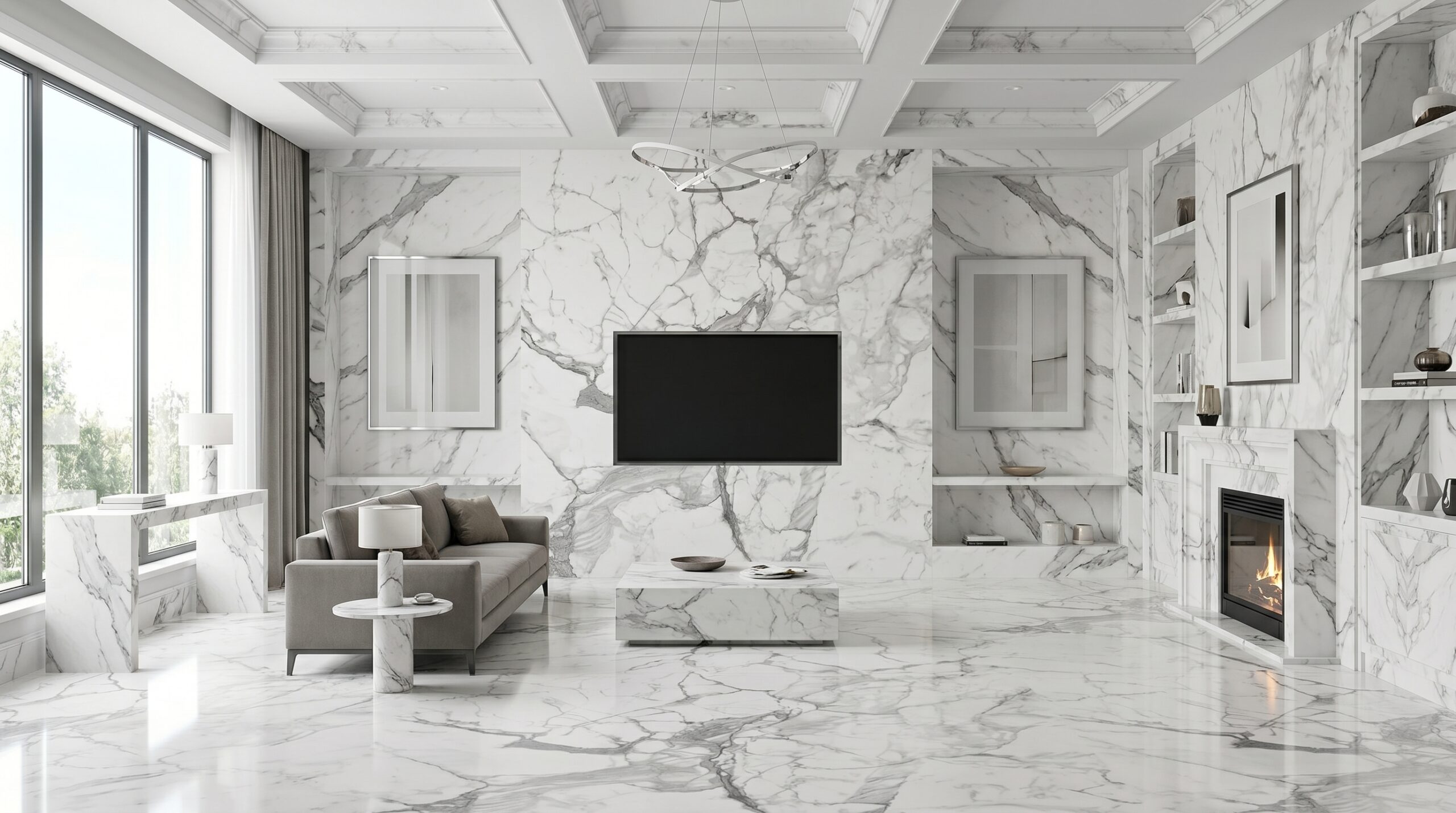
What Is Italian Marble?
Italian marble is a group of natural calcite and dolomitic stones quarried in different parts of Italy. The Apuan Alps around Carrara in Tuscany are especially famous for white marbles such as Carrara, Statuario and Calacatta. Botticino comes from the Brescia area in Lombardy and has a warmer beige appearance.
Italian marble is valued for its natural vein movement, polish, translucency in some white grades and long architectural history. It is not automatically the best stone for every application. Marble remains vulnerable to acidic liquids, scratching and staining, so the correct choice depends on the room, household use, finish and maintenance expectations.
Italy, not a single quarry
Carrara, Statuario, Calacatta and Botticino come from different quarry zones and do not share one fixed appearance or grade.
Buy the actual slab
Natural variation means sample photos cannot guarantee the exact background colour, vein flow, fissures or repairs in your supplied lot.
Best for controlled interiors
Living rooms, feature walls, bathrooms and premium hospitality spaces suit marble better than acidic working countertops or exposed outdoor areas.
Important naming clarification: Nero Marquina, Emperador and Crema Marfil are Spanish; Thassos is Greek. They may be grouped under “Italian marble” by Indian dealers, but the more accurate commercial category is European or imported marble.
Italian Marble Types Available in India
The following are genuine Italian-origin marble families commonly requested for Indian residential, hotel and commercial projects. The final look can vary significantly by quarry, block and slab grade.
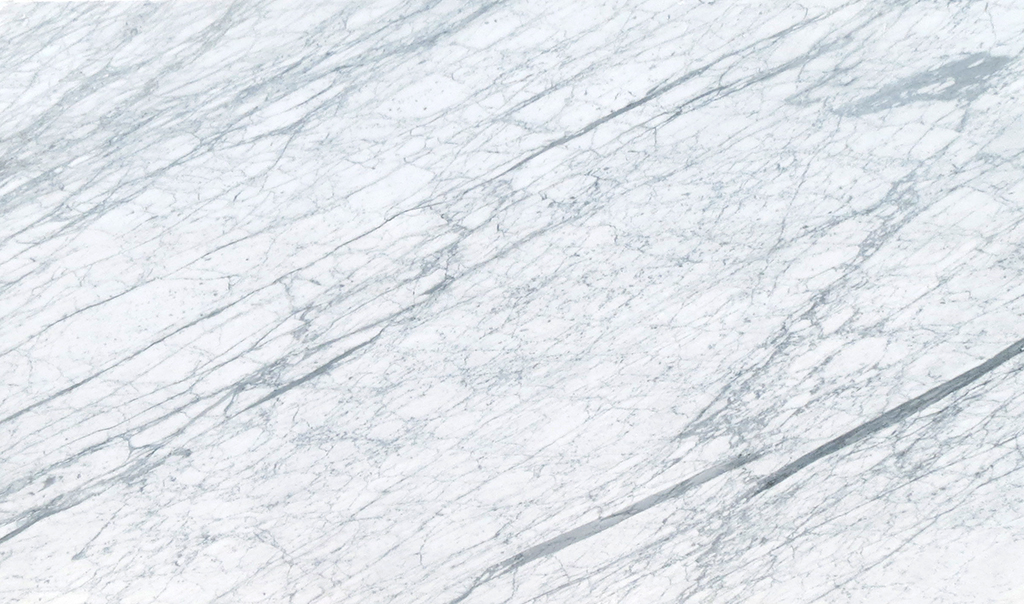
Carrara Marble
Carrara usually has a white-to-light-grey background with soft, feathery grey veins. It is the most accessible of the famous white Italian marbles and works well where a calm, classic surface is preferred.
View Carrara marble details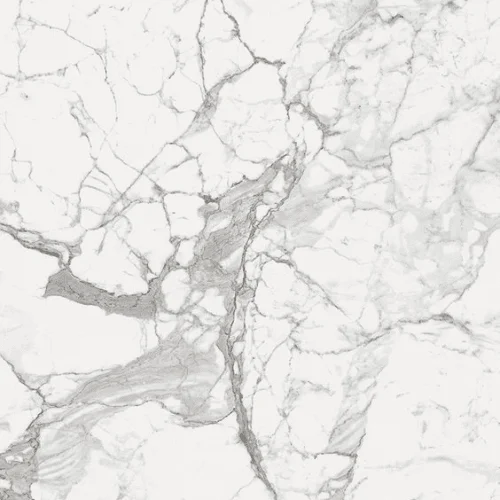
Statuario Marble
Statuario generally has a brighter white base and stronger grey vein movement than standard Carrara. High-contrast, well-balanced slabs are popular for feature walls, premium bathrooms and book-matched installations.
View Italian Statuario marble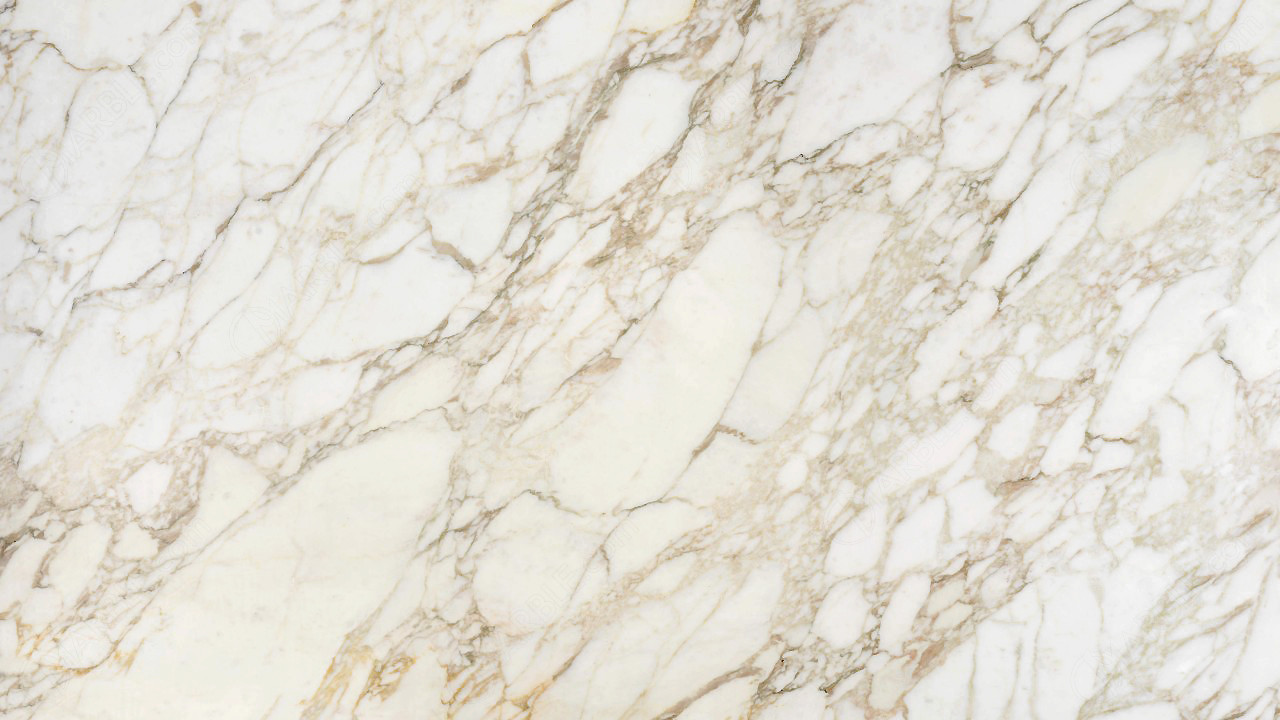
Calacatta Marble
Calacatta is known for a bright base and larger, more open veins that may include grey, beige or gold tones depending on the commercial selection. Premium lots are used for statement walls and focal installations.
View Calacatta marble
Botticino Marble
Botticino has a cream-to-beige background with fine brown, beige or fossil-like markings. Its warmer tone suits living rooms, staircases, hotel floors and interiors with wood or brass finishes.
View Botticino marbleItalian Marble Price in India
Italian marble price in India is not fixed by name alone. Two slabs sold as Statuario can differ greatly in whiteness, vein balance, resin treatment, cracks, mesh backing, thickness and usable yield. The figures below are indicative Kishangarh market bands for planning—not a binding quotation.
| Stone | Origin | Indicative material range | What changes the price | Typical use |
|---|---|---|---|---|
| Carrara White | Italy | ₹200–₹400/sq ft | Base whiteness, vein density, grade, thickness | Flooring, wall cladding, bathroom |
| Botticino | Italy | ₹220–₹450/sq ft | Uniformity, fossil marks, crack filling, finish | Living room, staircase, hotel floor |
| Statuario | Italy | ₹300–₹900+/sq ft | White background, dramatic veins, slab pair quality | Feature wall, premium bathroom, lobby |
| Calacatta | Italy | ₹600–₹1,500+/sq ft | Specific variety, gold movement, rarity, book-match pair | Statement walls, luxury focal areas |
| Bianco Lasa | Italy | ₹350–₹800+/sq ft | Clarity, fine veins, quarry selection, slab size | Premium walls, bathrooms, spa interiors |
Price disclaimer: Confirm the current lot before purchase. GST, cutting, edge work, wastage, polishing, packing and transport may be extra. Ask for a written quotation that identifies the actual stone, slab size, thickness, quantity and included services.
Slab grade
Cleaner background, desirable vein distribution and fewer visible repairs usually command a higher price.
Usable yield
A lower-priced slab can cost more after installation if fissures, edge damage or vein matching create heavy wastage.
Project logistics
Final cost changes with GST, packing, transport distance, floor access, cutting and installer skill.
For broader stone budgeting, compare the marble stone price in India guide.
Carrara vs Statuario vs Calacatta
These names are often confused because all three are associated with the Carrara marble district. Use the actual slab characteristics and documents instead of deciding only from a dealer label.
| Factor | Carrara | Statuario | Calacatta |
|---|---|---|---|
| Typical background | White to light grey | Brighter white | Bright white to creamy white |
| Typical veins | Fine, soft and more frequent | Bolder grey movement | Larger, more open grey, beige or gold movement |
| Visual mood | Quiet and classic | Dramatic and crisp | Statement-led and luxurious |
| Best fit | Large calm surfaces | Feature surfaces | Premium focal areas |
| Buyer priority | Consistency across area | Vein balance and whiteness | Origin, named selection and book-match quality |
Where Should You Use Italian Marble?
The best Italian marble is not simply the most expensive slab. It is the slab that suits the room, traffic, lighting, maintenance tolerance and installation method.
Carrara, Botticino or selected Statuario
Choose calm, repeatable lots for large flooring areas. Reserve highly dramatic slabs for borders or focal zones to control visual noise and cost.
Carrara, Statuario or Calacatta
Use a slip-conscious finish on floors, waterproof the substrate and seal the stone and grout. Confirm cleaning products with the installer.
Statuario or Calacatta
Photograph and number adjacent slabs before cutting. Dry-lay the pattern and approve vein direction before installation begins.
Botticino or denser selected lots
Check edge strength, tread finish and vein direction. Highly open fissures near exposed edges can increase breakage risk.
Use marble only with informed acceptance
Lemon, vinegar, tamarind and other acids can etch marble. For a heavily used Indian kitchen, review granite for kitchen countertops.
Usually choose another stone
Weather exposure, pollution, moisture and thermal movement need project-specific testing. Granite or suitable exterior stone is often more practical.
How to Check Genuine Italian Marble Before Buying
No home test can prove that a stone came from Italy. Acid, scratch, water and torch tests may reveal something about the material, but they do not establish country of origin. Use documentation, supplier traceability and actual slab inspection together.
Documents and traceability
- Ask for the exact commercial stone name and declared country of origin on the quotation or invoice.
- Request relevant import paperwork such as a Bill of Entry or supplier traceability documents where applicable.
- Match the document description, quantity and shipment information with the offered stock.
- Do not treat a generic “Italian marble” label as proof that every stone in the lot came from Italy.
Actual slab inspection
- Inspect every selected slab in consistent light and note resin, mesh, cracks, fills and edge damage.
- Measure thickness at multiple points instead of relying only on the nominal figure.
- Approve slab numbers, sequence and vein direction in writing before cutting.
- For remote orders, request an uncut continuous video showing slab labels, edges, back and full face.
Do not use destructive tests on a finished slab without permission. Lemon, keys and knives can permanently etch or scratch marble. More importantly, an acid reaction only indicates a carbonate-based material; it cannot distinguish Italian marble from Indian or other natural marble.
Italian Marble Maintenance
Marble can perform for decades when it is installed correctly and maintained with products intended for natural stone. The key is to prevent acidic etching, abrasive scratching and deep staining.
Daily care
- Remove grit with a soft dry mop.
- Use a pH-neutral stone cleaner.
- Blot acidic or coloured spills promptly.
- Avoid harsh toilet cleaners, vinegar and bleach.
Periodic care
- Test whether the surface still repels water before resealing.
- Use a sealer suitable for the exact stone and finish.
- Inspect grout, joints and wet-area waterproofing.
- Use mats at entrances to reduce abrasive dust.
Professional restoration
- Use trained stone technicians for etch removal and honing.
- Do a small test patch before full polishing.
- Do not apply wax that traps dirt or changes slip resistance.
- Document the finish so future repairs can match it.
Italian Marble vs Indian Marble
Italian marble is often selected for specific white backgrounds and vein patterns. Indian marble can offer better availability, local matching, lower logistics cost and strong value. Both are natural marble and both need care around acids and staining.
- The design specifically needs Carrara, Statuario or Calacatta character.
- You can approve the actual slab and control vein matching.
- The project budget includes skilled installation and ongoing care.
- Origin documentation and premium visual positioning matter.
- You need a large, consistent and quickly replaceable lot.
- Value and local availability are stronger priorities.
- The application does not require a particular Italian vein identity.
- You want to compare Makrana, Morwad or Banswara alternatives in person.
Read the dedicated Italian marble vs Indian marble comparison for price, maintenance and room-wise recommendations.
Italian Marble FAQs
These concise answers cover the most common questions asked by homeowners, architects and project buyers in India.
What is Italian marble?
Italian marble is natural marble quarried in Italy. Well-known varieties include Carrara, Statuario, Calacatta and Botticino. The phrase is sometimes used loosely in India for other imported European stones, so buyers should confirm the exact origin.
What is the Italian marble price in India?
Indicative material prices commonly start near ₹200 per sq ft for selected Carrara lots and can exceed ₹1,500 per sq ft for rare premium Calacatta selections. The actual price depends on the slab, grade, thickness, treatment, quantity and services included.
Which Italian marble is best for flooring?
Carrara and Botticino are commonly considered for larger flooring areas because calmer lots can be easier to repeat. The best choice still depends on traffic, slab quality, finish, installation and maintenance expectations.
Which is more expensive: Statuario or Calacatta?
Premium Calacatta is often more expensive, especially named gold selections and matched slab pairs. However, an exceptional Statuario lot can cost more than a lower-grade Calacatta lot. Compare actual slabs rather than names alone.
How can I verify that marble is genuinely Italian?
Ask for the exact country of origin on the quotation, relevant import or supplier documents, and traceable slab identification. Inspect the actual lot. Lemon, scratch and water tests cannot prove Italian origin.
Is Italian marble good for an Indian kitchen?
It can be used, but acidic ingredients can etch marble and oils or colours can stain it. For a heavily used cooking countertop, granite is usually more forgiving. Marble is better suited to controlled-use islands, walls or floors where the owner accepts its care needs.
Does Italian marble need sealing?
Many marble installations benefit from an appropriate penetrating sealer, but the schedule should be based on the stone, finish, location and a water-repellency test—not an arbitrary calendar rule. Sealing reduces absorption; it does not stop acid etching.
Where can I buy Italian marble in Kishangarh?
Kishangarh is a major stone trading and processing hub. Compare multiple actual slabs, request written specifications and confirm packing and transport. Sudarshan Stoneix supplies imported marble in Kishangarh with project selection support.
How this guide was prepared
Reviewed by: Sudarshan Stoneix sourcing team, Kishangarh, Rajasthan.
Price method: Indicative planning ranges based on commercial stock categories and project quotations. Natural stone prices change by lot and are not universal list prices.
Editorial approach: Italian-origin marble is separated from Spanish, Greek and other European imported marble to avoid misleading country-of-origin claims.
Compare Actual Italian Marble Slabs Before You Order
Share your room, approximate area, city, preferred marble and budget. Request current slab videos, available lot details, cutting options and a written project quotation.